How to Make a Cake Moist (and Rescue the One That Came Out Dry)
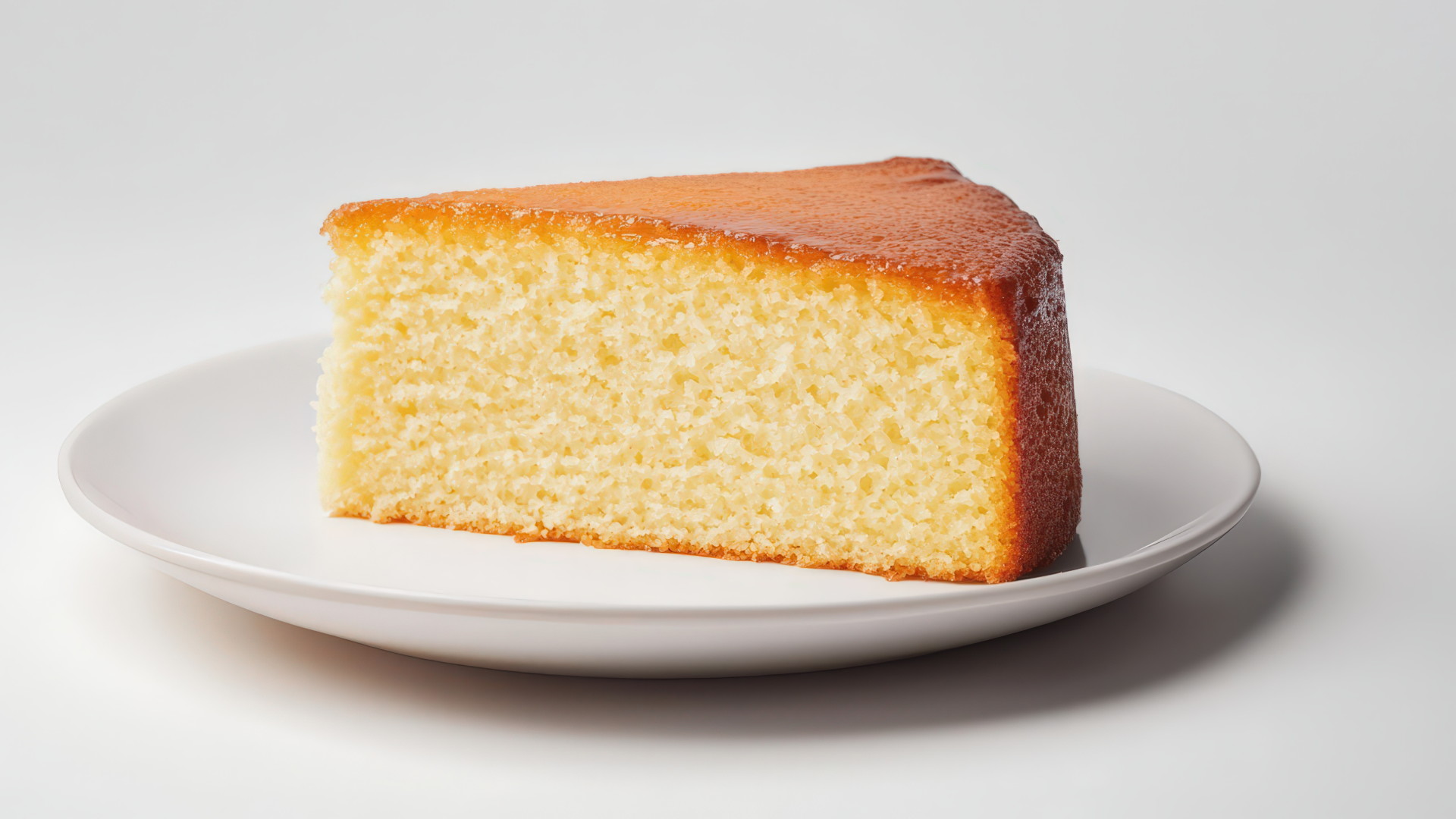
Rule of thumb: when a cake is dry, take flour out and minutes off before you put anything extra in. You cut a slice, the crumb breaks apart on the fork, and the instinct is to pour in more milk next time. That instinct is where most fixes go wrong. Too much flour and too long in the oven are the two likeliest causes, and no added ingredient cancels either one. So this guide on how to make a cake moist runs in a fixed order: find what dried the last cake, bake the next one differently, then rescue the one still sitting on the counter.
Stop Adding Liquid and Learn What Makes a Cake Moist
The common answer is more liquid. It rarely works. Extra water in a batter either leaves as steam or gives the flour more to build gluten with, and a wetter batter is one route to a cake that sinks after baking. The cake comes out heavier, and it’s no moister.
What makes a cake moist is how well the crumb holds the water it already has, and how tender that crumb feels when you bite it. Moist means tender. It doesn’t mean damp.
Two ingredients do most of that work. Sugar is hygroscopic, meaning it attracts water and holds on to it, so a cake with its sugar cut back loses moisture faster. Fat coats the flour particles, which limits gluten development and leaves the crumb soft enough to read as moist on the tongue. A reduced-sugar or reduced-fat version of a recipe will be drier than the original. That’s the trade.
The form of the fat matters too, which is why an oil cake is moister than a butter cake. Vegetable oil is 100% fat and stays liquid at room temperature. Butter is at least 80% fat, with roughly 16 to 18% water that partly bakes off, and it firms up again once the cake cools. So the key factors to make a cake moist come down to five: the flour quantity, the type of fat, the sugar, the bake time, and how the cake is stored.
Find Out Why Your Cake Is Dry Before You Change the Recipe
Blaming the recipe is the second wrong answer. Cakes turn out dry for a short list of reasons, each with its own mark.
| What you see | Most likely cause | What to change |
| Dry and crumbly all the way through on day one | Too much flour, or overbaking | Weigh flour at 120 g per cup and start checking 10 minutes early |
| Dark, dry edges around a decent middle | Dark pan, hot oven, or the fan setting | Set the oven 25°F lower (unless the fan oven already does) and hang an oven thermometer inside |
| Tough, tight crumb with tunnels | Overmixing once the flour went in | Mix on low and stop when the last streak goes |
| Soft on day one, dry on day two | Left uncovered, or stored in the refrigerator | Wrap airtight and keep at room temperature or freeze |
| Springy, lean and a little plain | Sponge, genoise or angel food, which are dry by design | Brush with syrup, as these cakes are built for it |
| A thin layer, dry top to bottom | A larger pan than the recipe was written for | Use the stated pan size or shorten the bake |
If you’re asking “why is my cake dry” and nothing in that table stands out, bet on flour. A measuring cup dragged through the bag and tamped level can carry up to 20% more flour than the recipe intended. Across a three-cup recipe that’s as much as 72 grams, over half a cup nobody asked for.
The fifth row isn’t a fault. A genoise or an angel food cake has little or no fat, and it’s built sturdy so it can take a soak or a filling.
Bake the Next Cake in This Order
1. Weigh the flour on a kitchen scale: 120 grams per cup of all-purpose, unless the recipe gives its own weight.
2. Leave butter, eggs and dairy out for about an hour so they reach room temperature.
3. Replace 25% of the butter with vegetable oil if the recipe is all butter and has baked up dry before.
4. Mix on low once the flour goes in, alternating the dry ingredients with the liquid, and stop when the last streak disappears.
5. Bake in a light-colored metal pan of the size the recipe names. For a dark pan, or a fan oven that doesn’t adjust for you, set the dial 25°F lower.
6. Start checking 10 minutes before the stated time. Pull the cake when a toothpick brings out a few moist crumbs, or the center reads 200 to 210°F.
7. Cool in the pan for 10 to 15 minutes, turn the cake out, and wrap it as soon as the layer has cooled.
The next three sections give the reason behind each step.
Weigh the Flour and Stop Mixing Sooner
Flour compresses. Spoon-and-level puts far less into a cup than a scoop does, and a kitchen scale removes the question. One caution: recipe writers don’t agree on what a cup weighs, with standards running from 120 to about 142 grams, so use the recipe’s own gram figure when it prints one.
Mixing is the other half. Once flour meets liquid, every turn of the beater develops gluten, and too much gluten bakes up tough. Tough reads as dry in the mouth even when the water’s all still there. That’s how overmixing ruins a cake that was weighed and baked correctly.
Room-temperature ingredients help because they blend fast. Cold eggs and milk make creamed butter seize into lumps, and you’ll mix longer to smooth them out. Alternating wet and dry additions works the same way: small additions fold in quickly.
Method counts too. Standard creaming beats butter and sugar first and adds flour near the end. Reverse creaming blends the butter into the dry ingredients before any liquid arrives, so the fat coats the flour early and less gluten can form. Expect a finer, softer crumb and slightly less height. Cake flour pushes the same direction, because it carries less protein than all-purpose.
Swap Some Butter for Oil and Add Dairy With Fat in It
Is oil or butter better for a moist cake? Oil, on moisture alone. Butter wins on flavor, and creamed butter traps the air that lifts the cake. Most recipes are better off with both.
The safest oil-for-butter substitution is partial. Replace 25% of the butter by volume, and go as far as 50% if the cake’s still dry. A complete swap suits recipes that begin with melted butter: use about three-quarters of a cup of oil for each cup of butter. Don’t fully swap a recipe that creams its butter. It needs the solid fat for lift, and losing that is one way to end up with a cake that shrinks after baking.
Dairy comes next. Buttermilk, sour cream and yogurt all bring acid, which is widely credited with tenderizing the crumb, and sour cream and full-fat yogurt bring extra fat too. The rules for using Greek yogurt in baking apply here. Mayonnaise sounds odd, but it’s mostly oil and egg in a jar, with a little vinegar. An extra egg yolk does a similar job, adding fat plus the lecithin that helps fat and water stay blended.
Starch is the lever most home bakers miss. Instant pudding mix and Instant ClearJel both rely on a modified starch that grips water without needing heat, so more of the batter’s water stays in the baked crumb. Sugar matters just as much for how to make a cake moist and tender. In high-ratio butter cakes the sugar weighs as much as the flour or more, and it’s doing as much for softness as the fat.
Two limits. Applesauce adds water while removing fat, so a full swap for the oil can turn the crumb gummy; half is the usual ceiling. Fruit and vegetable cakes are the exception to all of this: carrot, banana and zucchini bring so much water that dryness is rarely their problem.
Lower the Heat and Pull the Cake Earlier
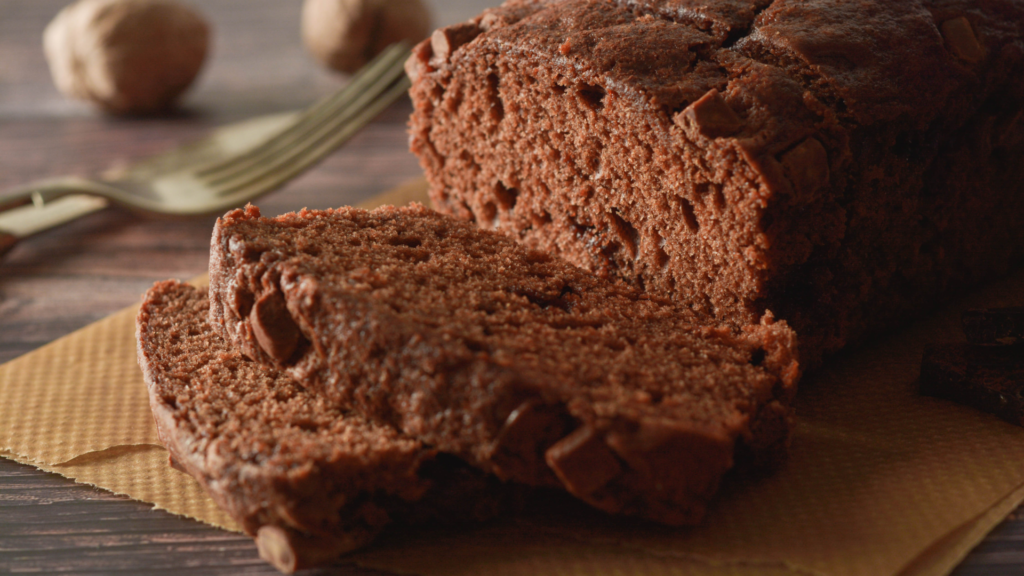
“Bake until a toothpick comes out clean” is the instruction that dries the most cakes. By then the crumb has given up water it could have kept. The better cue is a toothpick with a few moist crumbs clinging to it, or a center reading of 200 to 210°F on an instant-read thermometer.
Overbaking by even a few minutes shows. The cake also keeps cooking after it leaves the oven, because the hot pan holds heat. That carryover baking is why step seven turns the cake out after 10 to 15 minutes.
On oven temperature, 325°F versus 350°F is a real choice in three situations. A black or near-black pan absorbs more heat and sets the edges ahead of the middle, so drop 25°F and check early. A fan or convection setting needs the same 25°F cut compared with a conventional oven, unless your oven makes that adjustment for you. And an oven that runs hot needs correcting by whatever the thermometer shows.
Outside those cases, leave the recipe’s temperature alone, since a longer bake has its own drying cost. Dark versus light pans matter more than most people expect; shiny light aluminum cake pans are the simplest fix. A pan size change matters too. Spread the same batter thinner and it’ll be done, then overdone, well before the printed time.
Keep the Cake Wrapped and Out of the Refrigerator
How do you keep a cake moist after baking? Cover every cut or exposed surface, and keep it out of the fridge unless the filling demands it.
Refrigerator drying has a name: starch retrogradation. The starch in the crumb slowly recrystallizes and pushes water out, and refrigerator temperatures speed that up compared with a kitchen counter. A freezer all but stops it, because the water is locked in place as ice. So the fridge is the worst of the three places for a plain cake, and freezing the layers is best for anything you won’t eat within two days.
To keep cake layers moist until you decorate them, wrap each one tightly in plastic once it has cooled, then leave it on the counter overnight or freeze it. Thaw frozen layers still wrapped, so condensation forms on the plastic and stays off the cake.
Wrapping while warm is the popular trick, and the claim is half right. It can’t add moisture. It traps steam that would otherwise leave. A barely warm layer can benefit; a hot one wrapped tight will sweat and may leave you with a sticky cake surface.
Frosting works as a moisture seal, which is why a fully iced cake outlasts a naked one. A cake with a cream cheese, custard or fresh cream filling does have to be refrigerated. Cover it, and bring slices back to room temperature before serving so the butter softens.
Soak a Dry Cake With Syrup Before You Give Up on It
How do you moisten a dry cake after baking? With a simple syrup soak. Simmer equal parts sugar and water until the sugar dissolves, let it cool, and brush it over the top of each layer. Start with about two tablespoons per 8-inch layer and add more only if the crumb drinks it straight in. Brushing on simple syrup to keep cake moist is routine in layer-cake work.
For a single-layer cake served from the pan, poke-and-soak goes deeper. Prick the cake all over with a skewer and pour the liquid on slowly. A milk soak is the tres leches idea in small form: sweetened milk poured over a sturdy sponge. Any cake soaked with milk belongs in the refrigerator afterwards.
Many soak recipes call for liqueur. You don’t need it. Plain syrup, syrup infused with citrus zest, strained fruit juice and milk all do the same job with no alcohol involved.
For one slice, the microwave with a damp towel works: cover the slice with a damp paper towel and heat it for about 10 to 15 seconds. Eat it straight away; the softness doesn’t last.
As for how to fix a dry, crumbly cake that falls apart when cut, syrup helps the texture but won’t hold it together. Layer the pieces with custard and fruit as a trifle instead. And a cake overbaked far enough to taste scorched is past saving.
Add Fat and Starch to a Box Mix
A box mix is already built for softness, with oil as its fat, so the gains are smaller. To make a box cake mix more moist, change what the box tells you to add. Pick one or two of these, since all four together give a heavy cake that may not set in the middle.
- Use milk or buttermilk in place of the water, measure for measure.
- Add one extra egg yolk to the eggs listed.
- Whisk a small box of instant pudding mix (3.4 ounces) into the dry mix.
- Stir in half a cup of sour cream or full-fat yogurt.
That’s the best way to make a moist cake using a box cake mix. Keep the oil the box asks for; replacing it with butter trades moisture for flavor.
Settle the Last Few Questions
How do you make a cake that’s both light and fluffy, yet moist?
The two goals pull against each other. Fluffiness comes from air beaten into butter or eggs, and moistness comes from liquid fat and sugar that weigh the crumb down a little. To make a cake moist and fluffy, cream the butter and sugar until pale, replace a quarter of the butter with oil, and fold the flour in gently. A chiffon cake, made with oil and whipped egg whites, is the style designed to deliver both.
How do you make sure a birthday cake is moist?
Bake the layers a day ahead. Wrap them once cool, brush them with syrup when you assemble, and frost the whole cake so no crumb is exposed. It’s also how to make a cake moist and soft for a party when the baking has to happen early.
How can you make a cake moist like the ones from bakeries?
A bakery cake is usually the sum of several small things: a formula high in sugar and oil, layers wrapped and frozen soon after baking, a brush of syrup at assembly, and a full coat of frosting. If you want a cake moist like a bakery makes and only have time for one change, choose the syrup.
How do you keep a cake moist until you decorate it?
Wrap the cooled layers in plastic. Leave them on the counter if you’ll decorate within a day, and freeze them for anything longer. A thin crumb coat of frosting seals the surface if the cake has to sit unwrapped between stages.
Before the next bake, set your measuring cup on the scale, scoop flour the way you always do, and read the number. Anything well over the weight your recipe counts as a cup is the first thing to fix.