How to Store Banana Bread After Baking (Skip the Fridge)
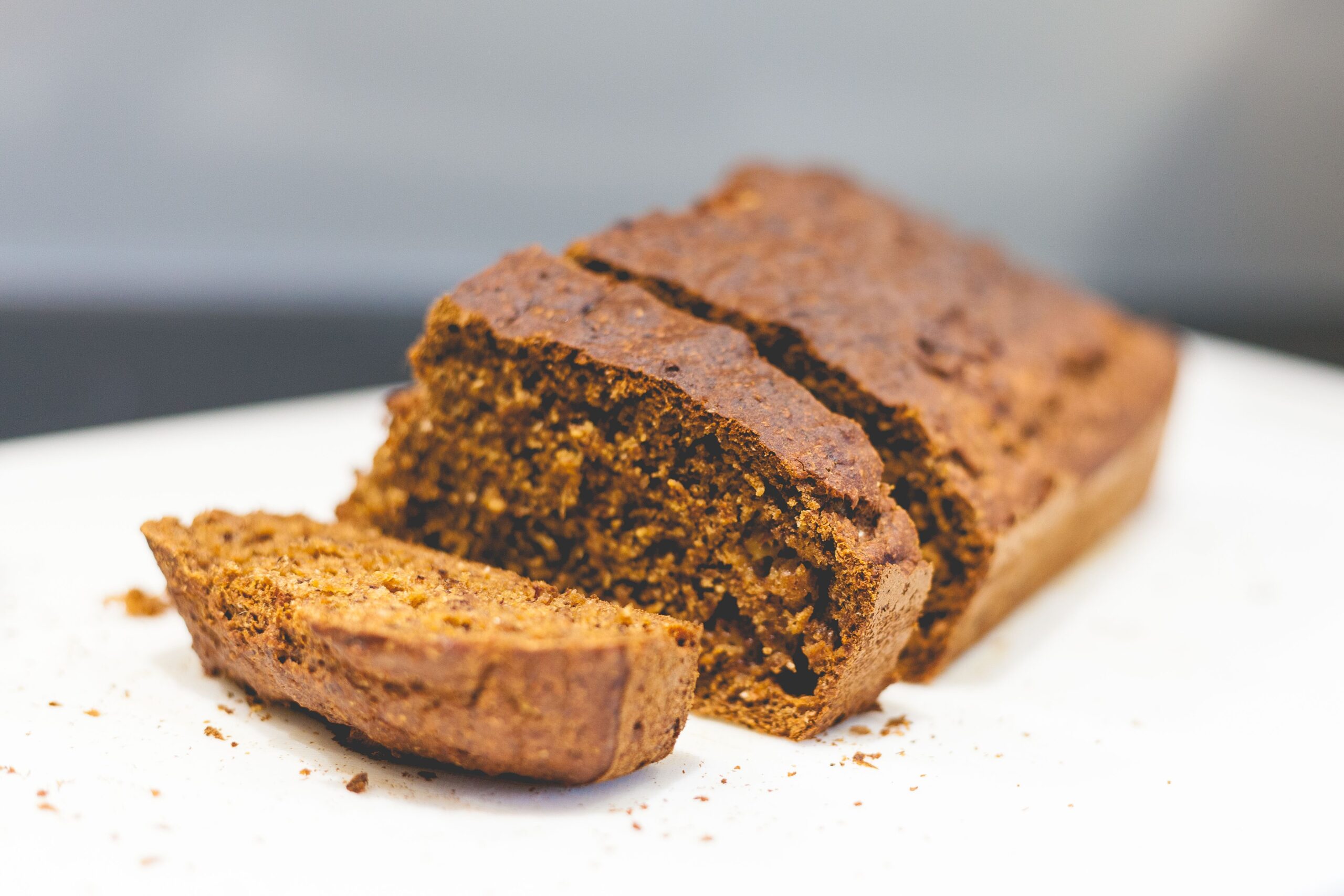
Counter for three days, freezer for anything longer, fridge almost never. That rule covers most banana bread situations, and it runs opposite to what most people do with a loaf they want to keep. The fridge feels like the careful choice. For a moist, sugary quick bread it is the one spot that reliably wrecks the texture while buying you very little. Below is where the rule holds, where it breaks, and how to wrap a loaf so it survives either way.
Two Clocks Start the Moment the Loaf Comes Out of the Oven
A finished loaf doesn’t have one shelf life. It has two, running at different speeds, and every storage choice you make slows one down while speeding the other up. Work out which clock you’re fighting and the rest of this gets simple.
The first clock is staling. As the loaf cools, starch that swelled and softened in the oven begins reorganizing into rigid crystals, and that reorganization pushes water out of the crumb. Food scientists call it retrogradation. The bread turns firm and dry-tasting even when almost no water has left the loaf at all. What matters for storage is the temperature curve: retrogradation moves fastest just above freezing, peaking around 39°F. A home fridge runs at 37°F to 40°F. Dead center in the worst possible band.
The second clock is mold. Mold needs free water, and most spoilage species take hold once the available moisture in a food climbs past about 0.80 on the water activity scale, with the hardiest ones managing down near 0.70. Regular bread sits near 0.90 to 0.95. Sugar in the batter binds some of that water, and fat gets in the way of the rest, which helps a little, but mashed fruit puts plenty back. So a banana loaf can grow fuzz on the counter inside three days while a crusty sourdough next to it just goes hard.
Cold slows the mold clock and accelerates the staling one. Freezing stops both. Room temperature is the middle ground where the loaf tastes best and the countdown is shortest.
| Storage method | How long it holds | What it costs you |
| Counter, wrapped | 3–4 days | Nothing, until mold shows up |
| Fridge, wrapped tight | 7–10 days safe | Noticeably firmer by day two |
| Freezer, double-wrapped | 3 months at good quality | About 20 minutes of wrapping |
Why Does Cooling Completely Matter So Much?
Wrap a warm loaf and you seal steam inside the wrapper. It condenses against the plastic, runs back down onto the crust, and leaves a wet surface layer. That is the exact condition mold is waiting for, and loaves wrapped warm have been known to spot inside 48 hours.
This one mistake undoes everything else you do right.
Leave the loaf in its pan for 15 minutes so the structure sets, then turn it out onto a wire rack. Wait until the bottom feels room temperature against the back of your hand, not merely cool. A standard 9×5 loaf takes 90 minutes to two hours, longer in a humid kitchen. Cooling times vary a lot by bread type, and quick breads sit at the short end. Slicing in early costs you texture and shelf life both, since every cut face is a fresh surface for moisture to escape from.
Don’t overcorrect and leave it bare on the rack overnight. Two hours uncovered is cooling. Eight hours uncovered is a dry loaf.
Room Temperature Holds for Three to Four Days
This is the default, and it’s the best way to store banana bread at room temperature: a fully cooled loaf, wrapped snugly in plastic wrap or sealed in an airtight container, parked somewhere cool, dry and out of direct light. A cupboard beats the countertop next to the stove. Plenty of recipe sites promise five days. Expect three or four in a normal kitchen before the crumb turns tacky at the edges, and maybe two in a humid summer one.
A folded paper towel does more work here than it looks like it should. Line the bottom of the container, set the loaf on it, and lay a second sheet over the top before sealing. The paper absorbs the condensation that collects inside any sealed container, which is what leaves a loaf sticky on the outside and soggy on the bottom. Swap the towels on day two.
A bread box works, though it’s built for crusty yeast loaves that need airflow. Banana bread is closer to cake, and it wants to be sealed. Wrap the loaf first rather than setting it in bare.
Cut side down on a board with foil over it works too, for a day. Past that, keeping the crumb moist comes down to the seal rather than the wrapping material. Plastic wrap pressed flat against the cut face beats a loosely tented sheet of foil every time.
Should Banana Bread Ever Go in the Fridge?
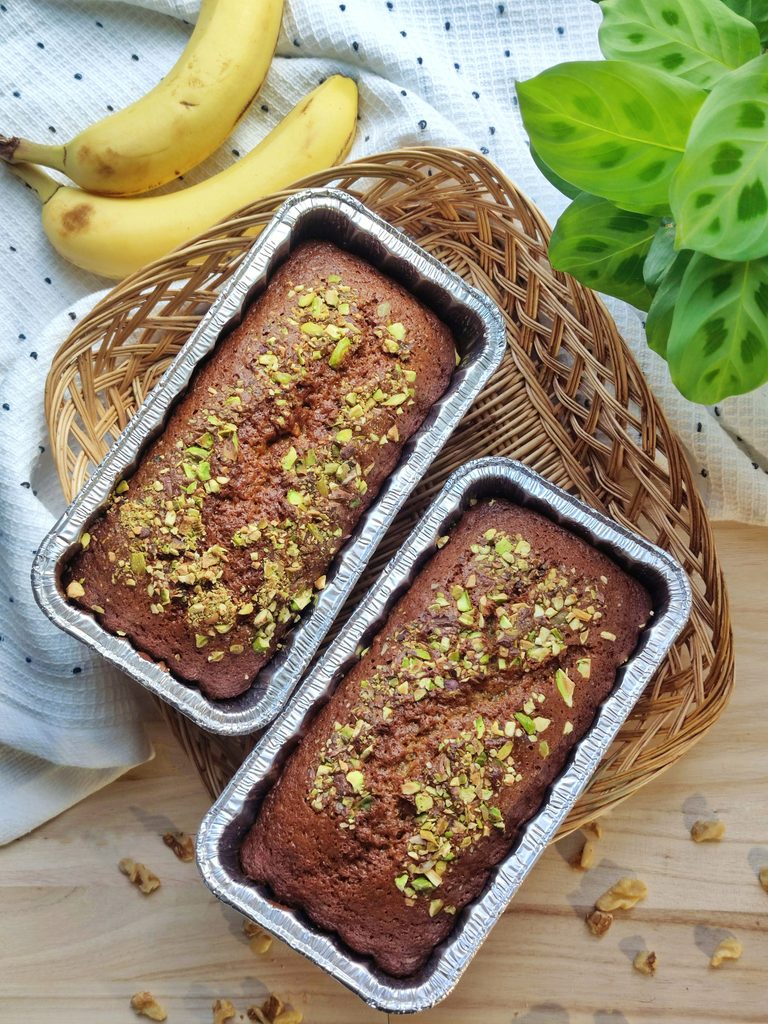
Rarely, and only for reasons that have nothing to do with the bread itself. Banana bread shelf life in the fridge is longer, seven to ten days before mold appears, but you’ll be eating a firm, dryish loaf from day two onward. That trade is worth making in three situations.
The first is cream cheese. If your loaf has a cream cheese swirl, a frosting, or a custard-style filling, the dairy sets the rules and the whole thing goes in the fridge, texture cost included. The second is fresh fruit folded through the batter: berries, chopped peach, anything that wasn’t dried first. The third is a kitchen above 80°F with high humidity, where the mold clock runs fast enough that three days on the counter isn’t realistic.
If you do refrigerate, wrap tighter than feels necessary. Fridge air is dry, and unsealed cake-style crumb loses moisture to it fast. You’re trading moisture loss for mold prevention, so make the seal count: plastic wrap pressed to every surface, then the whole thing in a container.
Fridge staling is at least partly reversible, which softens the blow. Starch crystals melt back toward their soft state above roughly 140°F, so a cold slice warmed in a 300°F oven for eight to ten minutes, loosely wrapped in foil, comes back close to fresh. A toaster does the same job on one slice. The catch is that the fix is temporary, and a reheated slice tends to restale faster than it did the first time. Warm what you’re about to eat and leave the rest cold.
Freezing Is the Only Method That Buys Real Time
Below about 0°F, starch recrystallization more or less stops. That’s why freezing works where refrigeration fails: it doesn’t slow the loaf down, it pauses it. Yes, you can freeze banana bread after baking, and it holds good quality for about three months. Past that it stays safe indefinitely and starts tasting like the freezer.
Slice before freezing unless you’re carrying a whole loaf somewhere. Sliced means you thaw two pieces on a Tuesday instead of committing to the entire thing. The one argument for freezing whole is freezer burn prevention: fewer cut faces, less exposed surface. A properly double-wrapped stack of slices doesn’t lose enough to matter.
- Cool the loaf completely. Freezing a warm loaf drives ice crystals through the crumb and you’ll taste the damage on thawing.
- Slice it, or leave it whole if you’re transporting it. Slices want to be around ¾ inch: thin ones dry out, thick ones thaw unevenly.
- Lay a square of parchment between each slice so the stack pulls apart frozen instead of coming out as a brick.
- Wrap tightly in plastic wrap, pressing it flat against every cut face. Air pockets are where freezer burn starts.
- Add a second layer: heavy-duty foil, or a freezer bag with the air pressed out before sealing.
- Label it with the date and what’s in it. Chocolate chip and plain look identical under frost.
- Freeze flat on a shelf for the first few hours, then stack however you like.
Thawing depends on what you froze. A whole loaf goes on the counter in its wrapping for three to four hours, or overnight in the fridge. Leaving the wrap on matters, because condensation then forms on the plastic instead of on the crust. Individual slices thaw at room temperature in 20 to 30 minutes, or go straight into the toaster from frozen, which is the better version. If a thawed loaf has lost a little life, ten minutes in a 300°F oven wrapped in foil brings it back.
How Can You Tell If Banana Bread Has Gone Bad?
Most storage guides stop short right here, which is odd, because it’s the part with a safety consequence. High moisture means spoilage arrives sooner than it does on a lean sandwich loaf. What to check for:
- Fuzzy spots in white, green, grey or black, most often on the cut face or the underside where it sat against a surface.
- Dark, damp-looking patches that weren’t there yesterday, especially near mix-ins like fruit or nuts.
- A sour, sharp or faintly alcoholic smell replacing the sweet banana one.
- A slimy or mushy surface, which is different from the tackiness a sealed loaf sometimes develops.
- Nuts that taste sharp or like old paint. Oils in walnuts and pecans oxidize faster than the crumb around them, which usually shows up in loaves that sat in the freezer a while or were baked with nuts already past their prime.
Dry and hard is not the same as spoiled. A stale loaf is unappetizing and perfectly safe, and it’s the best thing that can happen to your French toast. Mold is the line.
Once you cross it, the whole loaf goes. This gets argued about, so to be plain: no, you should not cut the mold off and eat the rest. USDA guidance treats soft, porous foods differently from hard cheese for a physical reason. That fuzzy patch is only the visible fraction of a network of threads called hyphae, and in an airy, moist crumb they spread well past the spot you can see, sometimes carrying toxins that heat doesn’t destroy. Toasting a moldy slice fixes nothing. Bag the loaf, put it in a covered bin, and skip the confirming sniff; inhaling a cloud of spores is its own small problem. Skip the taste test as well. Mold that produces toxins doesn’t reliably taste of anything.
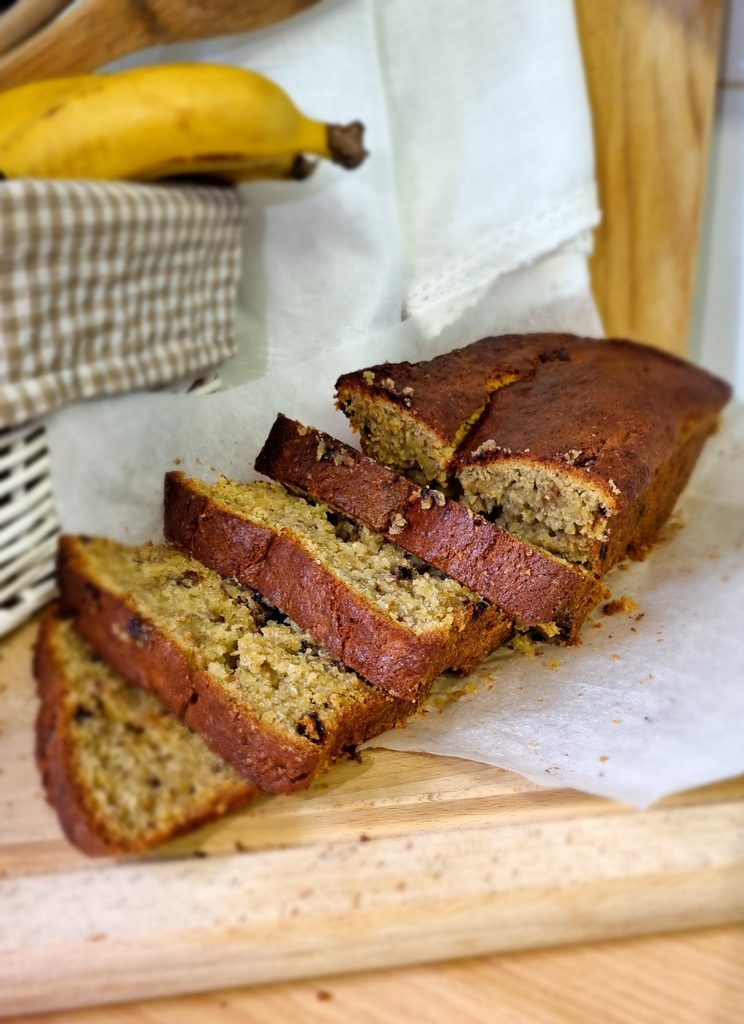
Gluten-Free and Whole-Wheat Loaves Run on a Shorter Clock
Most guides mention this in a single line and move on, which is no help at all when your gluten-free loaf is crumbling by breakfast. The reason is worth knowing, because it changes what you do on day one.
Gluten-free blends built on long-grain white rice flour tend to be high in amylose, the starch fraction that recrystallizes fastest. Hours rather than days. There’s no gluten network holding water in place either, so moisture pushed out of the starch has nowhere useful to go. A gluten-free loaf that’s perfect at 9pm can be noticeably crumbly by 8am. Blends leaning on buckwheat or psyllium hold up better; a straight rice-flour loaf is the worst case.
So the plan for storing gluten-free banana bread shifts: two days on the counter at most, and the fridge is off the table entirely, since it’s the fastest route to a loaf with the texture of sand. Slice and freeze whatever you won’t eat in 48 hours, on baking day, not later. Toast from frozen and it tastes close to the first afternoon.
Whole-wheat loaves are less dramatic but still shorter. Bran fragments interrupt the crumb structure and the germ carries oils that oxidize, so you get faster firming and a flavor that turns flat around day three. Two to three days on the counter, then freeze. Bake with whole-wheat flour that’s been open in the pantry a year and the loaf tastes stale early no matter how you wrap it. That’s rancid flour, not bad storage.
Banana Bread Storage FAQ
How long does banana bread last?
Three to four days wrapped at room temperature, seven to ten days in the fridge, around three months in the freezer. Loaves with fresh fruit or cream cheese land at the short end of every one of those windows.
How long can banana bread be left out?
Uncovered on a board, about a day before the cut face dries out. Wrapped or sealed, three to four days in an average kitchen. Above 80°F with humidity, treat two days as the limit and freeze the rest.
Does banana bread need to be refrigerated?
Not usually. A plain loaf is safe on the counter for several days, and the fridge costs you texture faster than it buys you time. Refrigerate only if the loaf contains cream cheese, custard, fresh fruit, or if your kitchen is hot and humid.
Why does banana bread need to be refrigerated after a couple hours of baking?
It doesn’t, and the idea seems to come from confusing quick breads with cheesecake. The only version needing prompt chilling is one with a dairy-based frosting or filling. A plain cooled loaf goes in a wrapper on the counter.
How long does banana bread last unrefrigerated?
Three to four days sealed, assuming it cooled fully before wrapping. Cut that to two if the loaf went into its container even slightly warm, since the trapped condensation gives mold a head start you can’t see.
What causes banana bread to mold?
Free moisture, warmth and airborne spores. Fruit in the batter leaves plenty of available water, and condensation from wrapping too early adds more at the surface. Warm, dark, sealed and damp is the full set of conditions mold needs.
Should you cut mold off banana bread and eat the rest?
No. Soft baked goods let mold threads run far beyond the visible patch, which is why the 1-inch trimming rule for hard cheese doesn’t transfer. Some molds also leave behind toxins that survive baking temperatures. Discard the loaf.
How should I store banana bread with mix-ins?
Dried fruit, chocolate and nuts change nothing. Fresh fruit like papaya, mango or berries raises the moisture content and pulls the counter window down to about two days. Anything with dairy folded in belongs in the fridge from the start.
Can banana bread batter be stored in the fridge?
Up to about a day, yes. Chilling slows the leavening reaction rather than finishing it, so a batter mixed at night and baked in the morning rises much like a fresh one. Push past 24 hours and the lift does start to fade, and you’ll get a denser, flatter loaf. Bake the batter, then freeze the finished bread instead.
The Decision That Matters Most Gets Made on Day One
Out of everything above, one choice does more work than the rest: freeze early. Freezing restores nothing. It pauses. Half a loaf put away on baking day thaws out close to what came out of the oven, while the same half frozen on day three thaws into day-three banana bread, only colder.
So if you already know two people aren’t finishing a 9×5 loaf by Thursday, don’t wait to confirm it. Cut the loaf in half before the first slice is eaten, wrap the back half while the front half is still on the board, and get it into the freezer that afternoon. For anything frosted, the double-wrap method still applies.