Why Freeze Cookie Dough Before Baking?
Freezing isn’t chilling with the dial turned further. The two do different jobs, and swapping one for the other quietly costs something. A night in the fridge builds flavor. A night in the freezer mostly stops time — it holds the dough as it was and hands back a cookie that spreads less. Both are worth having. They come from different mechanisms, and the order they happen in matters more than the temperature does. That order is the real answer to why freezing cookie dough before baking works at all.
Two Jobs, One Cold Dough
Cold dough is doing two separate things at once: controlling spread through fat solidification, and developing flavor. The freezer is excellent at the first and close to useless at the second. Most of the confusion here comes from treating them as one benefit.
Butter has no single melting point. It begins giving way somewhere around 70°F and isn’t fully liquid until roughly 90 to 95°F, and the exact band varies by brand and butterfat content. The question in the oven is whether the butter gets there before the eggs and flour set into a structure rigid enough to hold a shape. Dough at room temperature, around 68°F, sits right at the edge of that band — the butter starts moving almost as soon as the pan hits the heat. Fridge dough starts near 38°F. A frozen ball starts near 0°F.
That head start is why frozen cookie dough spreads less than room-temp dough. The frozen ball spends its first minutes in the oven climbing to the temperature at which the butter can move at all. By then the outer few millimeters have already begun to set. The edge locks in, the middle is still thick and cold, and the finished cookie comes out thicker and taller, with a more defined rim. Does freezing cookie dough make cookies chewier? For most drop cookies, yes — the crumb never gets a chance to thin out, so more of it stays soft.
There’s a limit worth stating early. Thin, brittle cookies are supposed to spread. Lace cookies, florentines and tuiles rely on the butter going liquid fast and the batter running out into a sheet. Freezing those doughs works against the thing that makes them good. Spread control is only a benefit when spread is the problem.
Flavor Development, Fridge Versus Freezer
The fridge does something the freezer doesn’t, and it happens slowly. Over hours, flour absorbs the liquid held in the eggs and butter. That hydration firms the dough and concentrates flavor as it goes less wet. It also relaxes the gluten, which is why chilled cut-out dough rolls without springing back. Meanwhile enzymes in the flour and the egg yolk break longer carbohydrates down into simple sugars, and more free sugar means harder caramelization and a deeper toffee note.
The useful window runs roughly 24 to 72 hours. Improvement is steep over the first day and shallow after the second. Past three days the flour has taken up most of the available moisture and the dough turns dry and crumbly. There’s no reason to chill longer than that when a freezer is right there.
Freezing slows enzyme activity rather than stopping it. At 0°F the slowdown is severe, and most of the dough’s water is locked up as ice rather than free to migrate into the flour. Sugar lowers the freezing point, so some of it stays liquid even at 0°F — just not enough, and not moving fast enough, to keep the fridge’s work going. Months in the freezer do less flavor work than one night in the fridge. So should you chill cookie dough before freezing it? Yes, and that single decision separates a good make-ahead system from a merely convenient one. Chill first. Freeze second. The freezer preserves what the fridge already built.
None of which makes the chill step compulsory. Skip it and the cookies come out flatter, paler and duller in the mouth. They’re still cookies, and nobody at the table will refuse one. The argument for the fridge is that it costs a night of doing nothing, and it’s the one part of the process the freezer can’t stand in for.
Method by Dough Type
This sequence is for drop cookies — chocolate chip, oatmeal, peanut butter, anything scooped rather than rolled. The variations follow underneath.
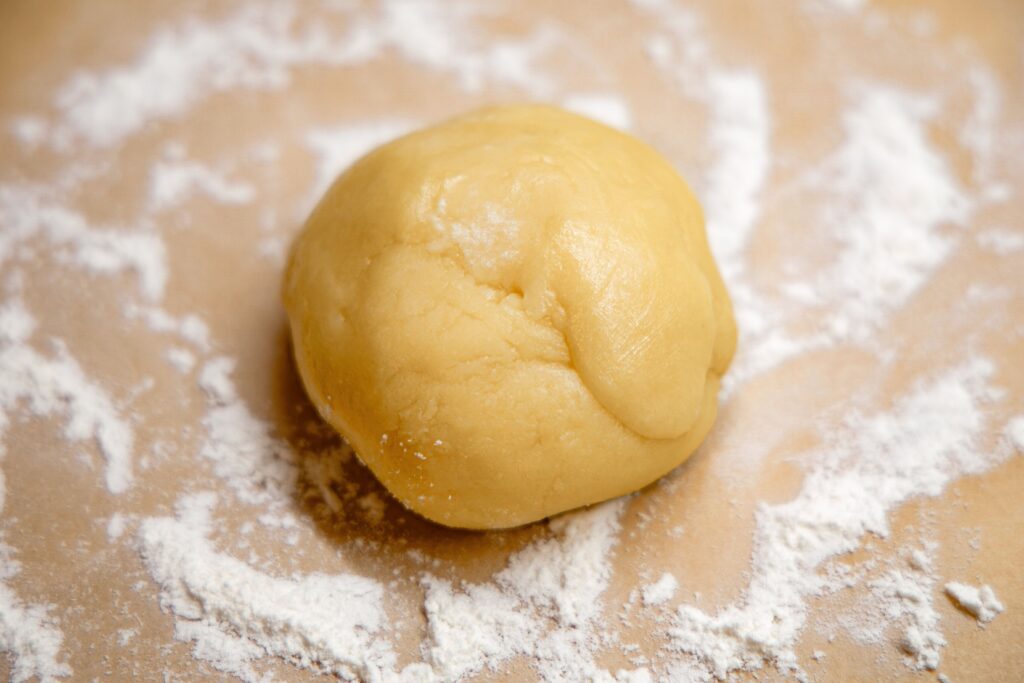
1. Chill the mixed dough in a covered bowl in the fridge for 24 to 72 hours. This is where flavor is built, and nothing later replaces it.
2. Portion the cold dough into balls at the size the recipe calls for. A cookie scoop keeps them even, which matters more once they’re baking from frozen and can’t be nudged.
3. Set the balls on a parchment-lined sheet pan, not touching, and freeze the pan for about 60 minutes until they’re hard all the way through. Skipping this flash-freeze is what welds a bag of dough into one lump.
4. Transfer the frozen balls into heavy-duty freezer bags or an airtight container. Press the air out before sealing — that trapped air is the biggest single driver of freezer burn.
5. Label the bag with the cookie name, the date, the oven temperature and the bake time. Unlabeled dough turns into guesswork faster than you would expect.
6. Store the bag flat, toward the back of the freezer rather than in the door, where the temperature swings least.
7. Bake straight from frozen, with the adjustments in the next section.
The question of how to freeze different types of cookie dough — drop versus cut-out versus slice-and-bake — comes down to what shape the dough must be in when it comes back out. The mechanism doesn’t change. The handling does.
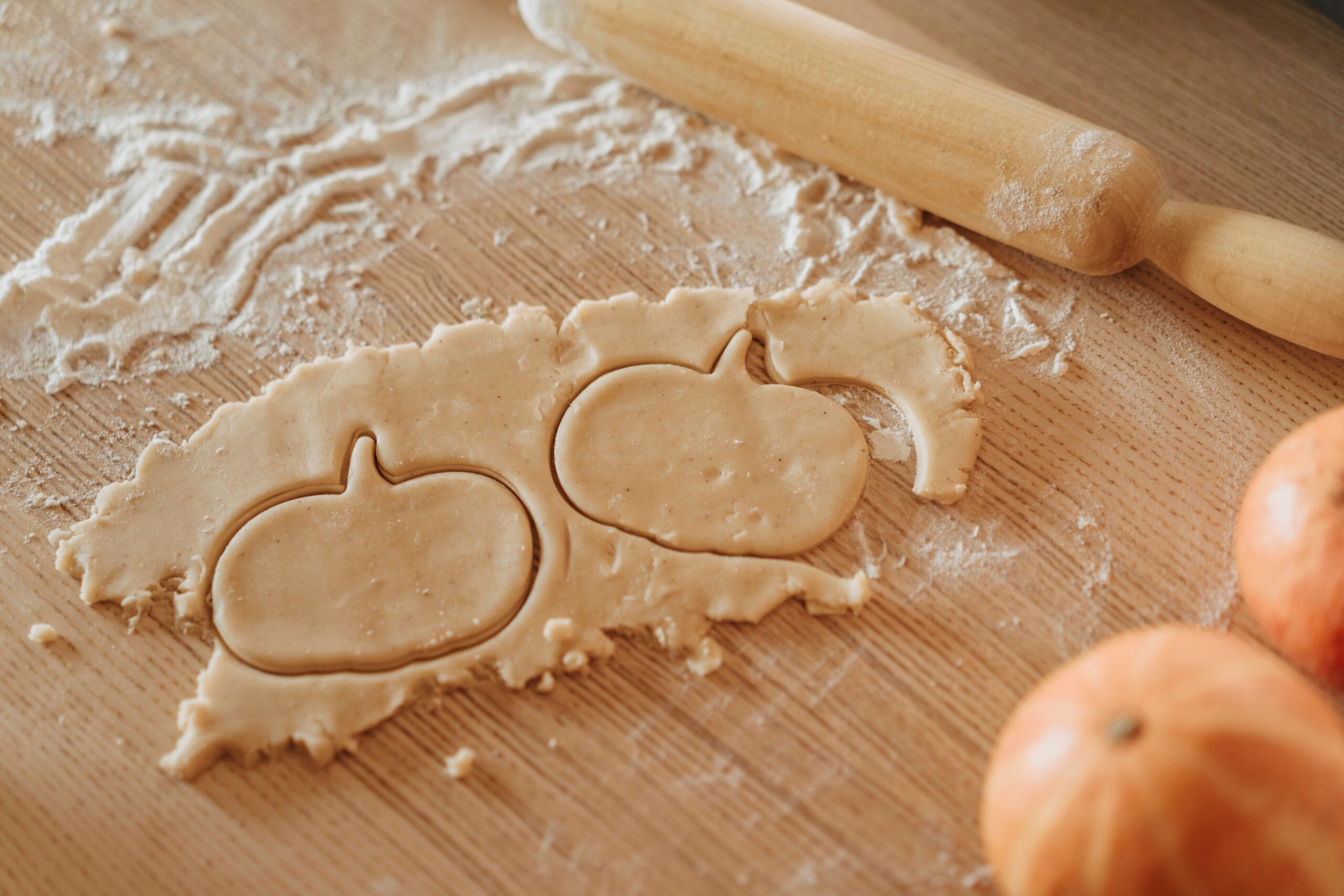
- Cut-out doughs: roll and cut the shapes first, then flash-freeze them flat on parchment and stack with paper between layers. Frozen shapes bake straight from the freezer and hold their edges better than fresh ones. Freezing the dough as a 1-inch disc also works, but that disc needs a night to two days in the fridge before it’s soft enough to roll.
- Slice-and-bake logs: shape the log, wrap it tightly in plastic, then overwrap with foil so no surface is exposed. Slice it while it’s firm but not rock solid — around 15 minutes out of the freezer. A fully frozen log crumbles under the knife instead of cutting.
- Sugar-coated doughs such as snickerdoodles and crinkles: freeze the balls bare and roll them in the coating just before baking. Give them ten to thirty minutes on the counter first, or the sugar slides off a rock-hard ball. Coatings applied first tend to dissolve into the dough surface during the freeze and thaw.
- Doughs to leave out of the freezer entirely: meringues, lace cookies, tuiles, and anything built mostly from egg white and sugar. These are fragile or spread-dependent, and freezing damages both.
Oven Adjustments from Frozen
Can you bake cookies straight from frozen dough? For drop cookies, yes, and it’s the better option. Do you need to thaw cookie dough before baking? Almost never. A dough ball is small and carries a lot of surface area for its mass, so it warms through well inside the bake time. Thawing first throws away the spread control that was the reason for freezing.
Advice on what temperature to bake frozen cookie dough splits, and the split has a cause: cookie size. Some guidance says drop the oven by 20 to 25°F, some says leave it alone and add time. Both are right, for different cookies.
| Dough type | Oven temperature | Bake time |
| Standard drop cookies, 1½–2 tbsp | Recipe temperature, unchanged | Recipe time + 2–3 min |
| Large bakery-style, 3–4 tbsp | Recipe temperature − 20 to 25°F | Recipe time + 3–5 min |
| Cut-out shapes, frozen flat | Recipe temperature − 20°F | Recipe time + 2–3 min |
| Slice-and-bake rounds | Recipe temperature, unchanged | Recipe time + 2–3 min |
| Thawed overnight in the fridge | Recipe temperature, unchanged | Recipe time, checking 1 min early |
Two rows in that table carry a reduction, and a standard scoop is not one of them. A four-tablespoon ball carries far more cold mass behind each square inch of surface, so at full heat the edge browns and sets before the center is anywhere near done. Lowering the oven buys the middle time. Frozen cut-outs take the same drop for a different reason — rolled thin, their edges color well before a frozen center sets, and a gentler oven holds the shape cleaner. On a standard scoop neither problem appears, and dropping the temperature just undoes the extra thickness, giving a paler, flatter cookie.
Test-bake one before committing the tray. Home ovens run 25°F or more off their dial, and a frozen bake exaggerates that error rather than hiding it. Judge the edge color and the set of the center, then adjust in one-minute steps.
On the rare occasions thawing is needed, here’s how to thaw frozen cookie dough overnight: move the sealed bag to the fridge for 8 to 12 hours and leave it sealed until the dough has reached fridge temperature. Unwrapping cold dough into a warm room pulls condensation onto the surface, and that water goes straight into the flour. Preheat fully and use a cool sheet pan — a hot pan starts melting the base before the oven has done anything useful.

Storage Limits and Freezer Burn
How long can cookie dough be frozen before it goes bad? The three-month storage guideline repeated almost everywhere is a quality window, not a safety cutoff. Food held continuously at 0°F stays safe indefinitely. What runs out is flavor. Two months is the honest target if the cookies should taste freshly made.
Two things degrade dough in storage. Freezer burn comes first: moisture leaves the surface as vapor without ever becoming liquid, then refreezes elsewhere in the bag as loose ice. It leaves dry, grayish, grainy patches that bake into a tough, papery edge. The second is oxidation of the butter, which is slower and harder to spot until the cookie is out of the oven tasting faintly stale.
Knowing how to prevent cookie dough from getting freezer burn is a question about air, not about time. Two layers beat one — plastic pressed against the dough surface, then a bag or rigid container over it. Squeeze the air out before sealing. Frost-free freezers cycle warm during their defrost stage, and that reaches every shelf. The back of the freezer still holds quality better than a door shelf, because the door is the part that keeps getting opened.
Common Questions About Freezing Cookie Dough
How long can I keep cookies in the freezer?
Baked cookies hold their quality for months rather than weeks — six is the usual guideline. What fades is moisture, pulled steadily out of a crumb that baking had already dried. Layer them with parchment in an airtight container. Warm them five to eight minutes in a 300°F oven rather than thawing on the counter.
Why did my cookies get freezer burn?
Air reached the surface. That comes from a bag not pressed flat before sealing, thin sandwich bags that let vapor through, or a door opened often enough to cycle the temperature up and down. Repeated partial thawing grows larger ice crystals, and each cycle pulls more moisture out.
Can I freeze decorated cookies?
Iced and frosted cookies freeze, but the finish suffers. Let the icing set hard, then freeze in a single layer before stacking with parchment between. Thaw them still covered, in the fridge, so condensation forms on the container rather than the icing. Delicate royal-icing detail is safer added after freezing.
How do I prevent cookies from sticking together in the freezer?
Flash-freeze first. Spread the portioned dough on a parchment-lined sheet pan with gaps between the pieces and freeze for about an hour, until each one is solid. Once the surfaces are hard they can be bagged together without fusing. Dough bagged soft merges into a single block within a day.
How long can you freeze cookie dough before it goes bad?
At a steady 0°F, raw dough doesn’t spoil the way fridge dough does — freezing holds microbes dormant rather than killing them. Quality is the limit. Aim for two months for the best flavor; three is a fade, not a cliff. Discard dough that’s turned sour-smelling, discolored or greasy.
Why can cookie dough only be frozen for three months?
It can be frozen for longer. That figure marks where noticeable quality loss usually begins, not where the dough becomes unsafe. Past that point freezer burn has usually dried the outer layer, the butter has picked up faint off-flavors, and the dough starts absorbing whatever else is in the freezer.
Can you refreeze cookie dough?
Refreezing isn’t recommended, though it isn’t dangerous when the dough has stayed cold. Dough thawed in the fridge and still cold can go back in at a cost: the second freeze forms larger ice crystals and dries the surface further. Dough left out at room temperature should be baked rather than refrozen — but only if it has been out under two hours, or one hour if the kitchen is above 90°F. Past that it goes in the bin: baking kills the bacteria but not the toxins some of them leave behind. Baked cookies refreeze well, since there’s no raw egg left to worry about.
The Limits of a Freezer
Freezing solves spread, portioning and timing. It won’t fix a dough. Cookies that run flat because the recipe is light on flour, or the butter was creamed too warm and lost its air, will spread more slowly from frozen and still finish thin. That’s a recipe problem, and the fix lives in why cookies spread too much rather than in a colder starting point.
Nothing in a freezer improves. The fridge is where dough gets better; the freezer is a pause button pressed on whatever state it was in that day. Chill it for a night, freeze it in labeled portions, and bake it within two months.