Why Are My Cookies Cakey? The Five Causes, Ranked
One rule sorts most cases. A domed, dry cookie is carrying too much dry structure, and flour is almost always where that came from. A puffy but tender cookie is carrying too much air or too much lift. The rule holds for standard drop cookies. It breaks for doughs built on melted butter, where fat governs the spread instead.
Five Things Turn Cookies Cakey, and One Does It Far More Often Than the Rest
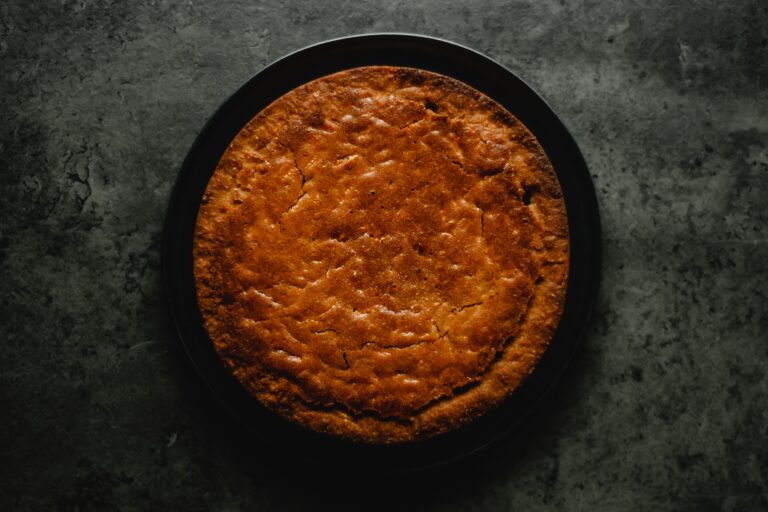
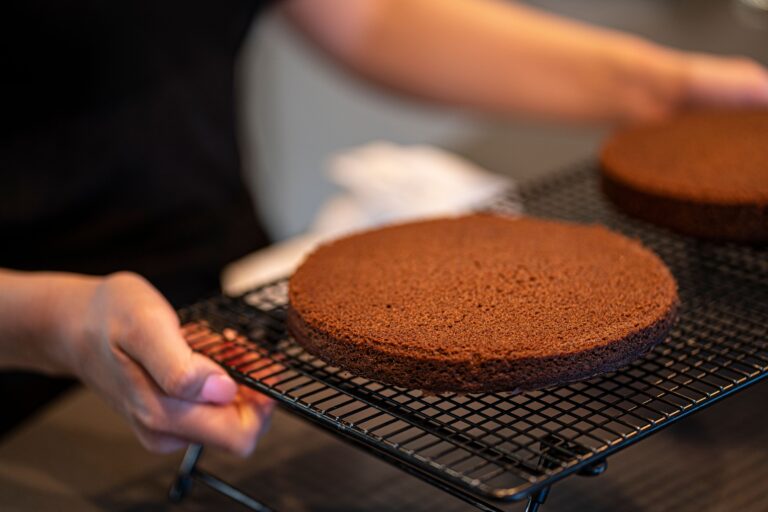
Cakey means the cookie behaved like a cake. It rose, it set early, and it held a soft open crumb instead of slumping outward into something chewy or crispy. Everything below pushes a dough in that direction. They are ranked by how often each one turns out to be the real culprit.
Too much flour, and it isn’t close
A cup of all-purpose flour, spooned in and leveled off, weighs about 120 grams. The same cup dipped straight into the bag can hold as much as 160. That’s a third more flour out of an identical measuring cup, and across a recipe calling for two and a half cups it stacks up to most of an extra cup. Flour is structure. Add enough of it and the dough sets before the butter has finished melting out, which is a working description of a cake crumb.
This is also the answer to the most maddening version of the question — cookies that came out cakey when the recipe was followed to the letter. The recipe was followed. The cup wasn’t the same cup the recipe developer used.
A kitchen scale removes the biggest variable in home baking. Without one, fluff the flour in the bag, spoon it into the cup, then level it with the back of a knife. Never tap or shake the cup to settle it — that packs the flour straight back down.
Dough that looks stiff, or that leaves dry crumbs in the bottom of the bowl, has too much flour in it. Bake one cookie before committing the tray.
Too much egg white
A large egg weighs about 50 grams out of the shell, and roughly two thirds of that is white. White is water and protein. In the oven that protein coagulates and locks the cookie’s shape in place early, before the fat can spread it outward — the same set that gives a sponge cake its structure. Yolk does the opposite. Its fat and lecithin coat the flour proteins, hold gluten back, and produce chew.
Two habits push the eggs up without anyone deciding to. Sizing up from large to extra-large or jumbo adds mostly white. So does adding one more egg to a dough that looks too dry, which is doubly unfortunate, a dough that looks too dry is usually over-floured, so the extra egg treats a symptom and worsens the texture at the same time.
Swapping one whole egg for two yolks cuts the water sharply while raising the fat, and both of those changes push toward chew. Dropping a single white from a two-egg recipe works as well. Either change shows up in one batch.
Baking powder where the recipe wanted baking soda
The two leavening agents aren’t interchangeable, and nowhere does the difference show up more plainly than in a cookie. Baking soda is a base. Stirred into a dough that contains acid — brown sugar, molasses, buttermilk — it raises the pH, which weakens gluten and accelerates browning. Weak gluten spreads. That’s where a chewy cookie with crisp golden edges comes from.
Baking powder carries its own acid and works in two stages: some gas on contact with liquid, the rest once the dough heats through. That second release arrives while the cookie is setting, so it lifts the crumb and the structure holds it there. Pale, domed, tender, fine-grained. A small cake.
So if the recipe says soda and the tin in the cupboard says powder, that’s the entire explanation. Going the other way, soda is used at roughly a third the quantity of powder, and it won’t work unless the dough has an acid in it for the soda to meet. Overdo it and the cookies pick up a soapy, metallic edge — the same off-taste that makes a cake taste bitter after baking.
Creaming past the point the recipe intended
Creaming isn’t mixing. Sugar crystals cut through softened butter and leave air pockets behind them, and those pockets expand in the heat. It’s leavening done mechanically, pushing in the same direction as baking powder. More creaming means more air, and more air means a cakier cookie. Less creaming gives a flatter, chewier one.
Butter temperature decides whether any of that works. Around 67°F is the target: cool to the touch, dents under a finger, no give in the middle. Warmer and the bubbles collapse as fast as they form. Colder and the sugar can’t cut through the fat at all.
Watch the color, not the clock. The mixture should turn pale and visibly grow in volume, and a stand mixer reaches that point faster than a hand mixer on the same setting. Stop at pale and fluffy.
Mixing hard after the flour goes in is a separate problem with a separate result. That develops gluten and makes cookies tough rather than cakey, which is also what leaves a cake dense and rubbery too.
Cake flour, all-white sugar, and an oven running hot
These are real, and they’re last for a reason. Each one nudges the texture, and how far it moves depends on what else the dough is doing. None of them turns a chewy recipe cakey on its own.
Cake flour usually runs 7–9% protein against all-purpose at 10–12%, and brands vary enough that some unbleached cake flours sit at 10%. Less protein means less gluten and a finer crumb, and bleached cake flour absorbs more liquid and sets faster on top of that. Used cup for cup in a cookie recipe it delivers what the name promises.
Sugar works through acidity and moisture. Brown sugar is mildly acidic and holds onto water, so it feeds the soda reaction and keeps the finished cookie soft and bendable. A dough made with white sugar alone and lifted by baking powder skews paler and puffier.
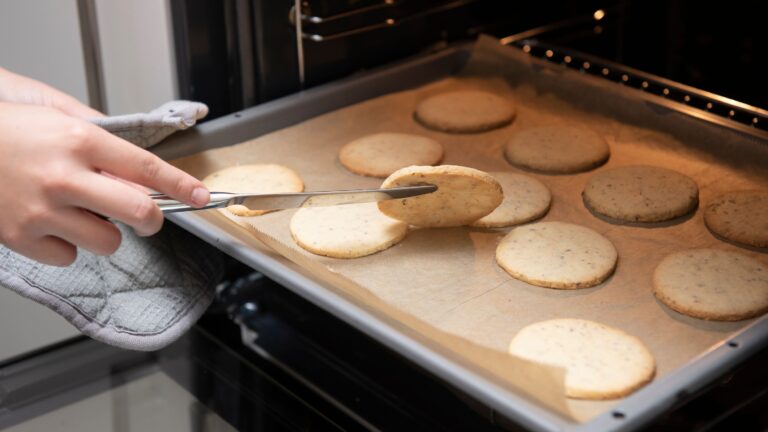
Oven temperature accuracy is the variable most people rule out first and shouldn’t. Home ovens drift 25–50°F from the dial, and a hot one sets the cookie’s edges before the butter has spread it, leaving a tall cookie with a pale, underdone-looking middle. An oven thermometer settles the question in a single bake. Bake duration compounds it: two minutes past the point the edges set will dry a soft cookie out, and dry reads as cakey to most people. Sheet color matters at the margins, too — dark metal runs the edges ahead of the center, while insulated sheets bake slower and paler and drift toward cakey.
Match the Symptom to the Cause Before Changing Anything
Changing three variables at once means the next batch teaches you nothing. Find the row that matches what came out of the oven, change that one thing, and bake again.
| What came out of the oven | Most likely cause | What to change |
| Domed and dry, crumb closer to bread than cookie | Too much flour | Weigh it — 120 g per cup, not a dipped cup |
| Tall and pale, barely spread at all | Baking powder doing the lifting | Check which leavener the recipe named; soda runs at about a third the quantity |
| Soft, high and faintly rubbery | Too much egg white | Replace one whole egg with two yolks |
| Light and open, like a muffin top | Over-creamed butter and sugar | Cream to pale and fluffy, then stop |
| Spread flat like a pancake, not cakey at all | Butter too warm, or too little flour | Chill the portioned dough 30 minutes and re-check the flour weight |
| Set at the edges, raw-looking in the middle | Oven running hot | Verify with a thermometer, drop 25°F, add a minute or two |
For dough already mixed and sitting in the fridge, the options narrow but they don’t disappear. Press the portions flat instead of baking them as balls, since a flattened portion has less height to rise through. Beating in an extra yolk and a spoonful of melted butter pulls the texture back toward chewy. Skip any further chilling — cold dough spreads less, which is right for cookies going flat and wrong here.
Cakey Cookies Are Safe to Eat, and There Are Better Ends Than the Bin
Nothing about a cakey cookie makes it unsafe. It’s a fully baked cookie with a cake crumb, and it’s as edible as the batch that came out right. Texture is the only thing wrong with it, and texture isn’t a food safety question.
The bread-slice trick is the standard advice at this point, and it is worth being precise about what it does. Sealing the cookies in an airtight container with a slice of fresh bread for a few hours, or overnight for a badly stale batch, moves moisture from the bread into the cookies. That rescues a dry, crumbly cookie — including one that reads cakey only because it baked dry. It won’t fix a cakey crumb, though. Chew comes from gluten, fat and dissolved sugar, and none of those can be added once the cookie is out of the oven.
The better move is to use the texture rather than fight it.
- Ice cream sandwiches. A soft, sturdy cookie holds a scoop without shattering, which is exactly what a crisp one would do.
- Dessert jars. Crumble them in layers with yogurt or whipped cream and macerated fruit, an hour ahead so the crumb softens.
- A crumb base. Blitz to crumbs, work in melted butter at roughly two tablespoons per cup, then press into a tin for a cheesecake or an icebox pie.
- Cookie toast. Split the thick ones and dry them at 300°F until the edges crisp, which takes longer than it looks, and let them cool before judging them — closer to biscotti than to a cookie.
- The freezer. Sealed well they keep six months and more, and cakey cookies survive freezing better than crisp ones because they carry more moisture to begin with.
Other Questions That Come Up About Cakey Cookies
Why do my chocolate chip cookies keep turning out hard or cakey instead of chewy?
Hard and cakey together points at flour first. Too much of it stiffens the dough and dries the crumb, and two or three extra minutes in the oven finishes the job. Weigh the flour, pull the tray while the centers still look underdone, and let them finish setting on the hot sheet.
What makes a cookie dense versus cakey?
Aeration, mostly. Dense comes from melted butter, minimal creaming and little chemical leavening, so there’s nothing lifting the crumb. Cakey comes from the opposite combination: trapped air, an active leavener, and enough protein to hold the rise once it happens.
Why did my cookies come out cakey even though I followed the recipe?
Volume measuring is the usual answer. A dipped cup of flour carries up to a third more than a spooned one, so two people following identical instructions end up with different doughs. Egg size is the next suspect, since a jumbo egg adds mostly white, and white is what sets the structure early.
Does refrigerating cookie dough make it chewier?
Partly. Chilling gives the flour time to hydrate and the sugar time to dissolve, which deepens flavor and improves chew. It also firms the fat, so the dough spreads less and bakes taller. For a cookie that’s already too cakey, chilling improves the flavor and makes the shape worse.
What’s the difference between puffy and cakey cookies?
Puffy describes the shape, cakey describes the crumb. A puffy cookie is tall and domed and can still be chewy inside. A cakey one is soft and open all the way through, and it crumbles under a bite instead of bending. Most cakey cookies are puffy. Plenty of puffy cookies aren’t cakey.
Why do my oatmeal cookies turn out cakey instead of soft and chewy?
Oats go on absorbing liquid for as long as the dough sits, so a dough left to rest for hours tightens more than a plain one and bakes taller. Many oatmeal recipes also lean on baking powder. Check the leavener, cut the oats back a little, and bake the dough soon after mixing rather than letting it sit.
What to Check Before the Next Batch?
1. Weigh the flour. 120 grams to the cup, and never a cup dipped into the bag.
2. Read the leavener line again. Powder lifts, soda spreads, and they don’t swap one for one.
3. Bring the butter to about 67°F — dentable under a finger, not soft in the middle.
4. Cream until the mixture goes pale, then stop, whatever the timer says.
5. Trade one whole egg for two yolks if the last batch baked tall and dry.
6. Check the oven with a thermometer before blaming the dough.
7. Change one variable per batch, and bake a single test cookie before the tray.